

People ask me why I decided to write about my three years in federal prison. The simple answer is that I had to. The longer answer involves sleepless nights, conversations with my wife through prison phone calls, and the growing understanding that my story might help someone else navigate their darkest hour.
I spent 1,095 days behind bars. Each one taught me something about myself, about the justice system, and about what really matters when everything else gets stripped away. This book isn't about glorifying criminal behavior or seeking sympathy. It's about honesty, accountability, and the long road back to becoming the person I want to be. The book is absolutely free in electronic format at AppleBooks:
Navigating the Federal Prison System 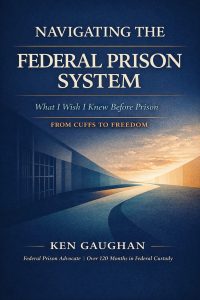
The Decision to Write
The idea first came to me during my second year at FCI Morgantown. I was sitting in the law library, helping another inmate understand the First Step Act, when it hit me. So many people facing federal charges have no clue what prison is actually like. Their families don't know what to expect. The lawyers give the legal framework, but they can't tell you what it feels like to walk through those gates for the first time.
I started keeping notes on scraps of paper. Not about the crime that brought me there - that part is public record. I wrote about the daily reality. The way time moves differently when you're counting days instead of living them. The friendships that form in unlikely places. The phone calls home that become lifelines. The small victories that feel enormous when your world has shrunk to a few hundred yards.
My book covers the practical stuff too. How the commissary works. What to expect during intake. The unwritten rules that can make the difference between a manageable sentence and three years of hell. I wish I had known these things going in. Maybe my first few months would have been less traumatic for me and my family.
But the decision to actually publish these thoughts came later, during a conversation with my wife. She told me about a woman whose husband had just been sentenced. This woman was terrified. She didn't know if she should divorce him, how to explain it to their kids, or whether their marriage could survive three years of separation. My wife gave her my contact information for after my release.
That's when I realized this wasn't just my story anymore. It was our story - the families, the children, the spouses who serve the sentence alongside us in their own way.
Who This Book Is For
I wrote this book for several groups of people. First, for anyone facing federal charges or sentencing. The unknown is always scarier than reality. Even when reality is prison, knowing what to expect can reduce the anxiety that eats at you and your loved ones during those final weeks of freedom.
Second, for families. Spouses who don't know if they should stay or go. Children who don't understand why daddy or mommy is gone for so long. Parents who blame themselves. Siblings who feel ashamed. The ripple effects of incarceration touch everyone in the family tree. I wanted to give them a roadmap for survival.

Third, for criminal justice advocates and anyone who cares about prison reform. We can't fix a system we don't understand. Most Americans have no idea how federal prison actually works, what rehabilitation looks like in practice, or why recidivism rates remain so high. My experience is just one data point, but it's a real one.
Finally, I wrote it for future me. Prison changes you. Some changes are positive - I learned patience, humility, and how to find meaning in small moments. Some changes are challenging - trust doesn't come as easily now, and crowds still make me uncomfortable. I wanted to document this transformation while it was fresh.
The Weight of Truth
Writing honestly about my experience meant accepting some uncomfortable realities. I couldn't paint myself as a victim. I made choices that hurt people, and those choices have consequences that extend far beyond my three-year sentence. My family paid a price they didn't deserve. My business partners and employees suffered. The government and taxpayers were harmed.
At the same time, I couldn't pretend that every aspect of the federal prison system makes sense or serves justice. I saw men serving decades for drug crimes while violent offenders got shorter sentences. I watched the Bureau of Prisons struggle with basic healthcare and programming. I experienced the arbitrary nature of prison discipline firsthand.
The truth is complicated. Personal accountability and systemic problems can coexist. I can own my mistakes while still advocating for criminal justice reform. The book tries to hold both of these realities without compromising either one.
One of the hardest chapters to write was about my wife's experience. She didn't sign up to be a single parent for three years. She didn't choose to explain to friends and neighbors where her husband went. She didn't ask for the financial strain or the emotional weight. But she carried it all with a grace that still amazes me.
I included her perspective because incarceration is not a solo experience. Every person in federal prison leaves behind people who love them. Those people deserve recognition for their sacrifice and strength.
Lessons from Inside
Federal prison taught me things I never expected to learn. I discovered that most of the men I served time with were not career criminals or dangerous predators. They were people who made bad decisions, often driven by desperation, addiction, or greed. Just like me.
I learned about the informal economy that exists behind bars. How respect is earned and lost. The importance of keeping your word when your word is all you have. I saw men earn their GEDs, learn trades, and prepare for reentry with genuine determination to change their lives.
I also witnessed the mental health crisis that plagues our prison system. Men dealing with depression, anxiety, and trauma with limited resources and support. The waiting lists for counseling. The overreliance on medication. The way isolation can break a person's spirit.

The book includes stories about specific programs that work. The RDAP substance abuse program that provides real treatment and reduces sentences. The vocational training that gives men marketable skills. The correspondence courses that allow inmates to continue their education. These programs are underfunded and understaffed, but they demonstrate what's possible when we invest in rehabilitation instead of just punishment.
I write about the COs (correctional officers) who treat inmates with dignity and the ones who abuse their power. The chaplains who provide spiritual guidance regardless of faith background. The medical staff who genuinely care and the ones who see inmates as less than human. Like any large institution, the Bureau of Prisons contains the full spectrum of human behavior.
Family Impact
My children were eight and ten when I went to prison. They're now eleven and thirteen, and they've lived through experiences no child should face. The book doesn't shy away from this reality. It explores how we maintained our relationship through weekly phone calls and monthly visits. How my wife shielded them from some details while being honest about others.
I write about the awkwardness of parenting from 500 miles away. Trying to help with homework over a monitored phone line. Missing school plays, baseball games, and bedtime stories. Learning about their daily struggles days or weeks after they happened. Watching my wife handle everything alone while pretending I was still an equal partner.
The financial impact was immediate and lasting. Legal fees, lost income, travel costs for visits, and expensive phone calls add up quickly. Many families go into debt or lose their homes. Some marriages don't survive the strain. My wife managed our finances brilliantly, but it required sacrifices and stress that still affect us.
I also explore the social isolation that families experience. Friends who don't know what to say. Invitations that stop coming. The shame that children carry when their classmates ask where daddy works. My wife became an expert at deflecting questions and protecting our children's privacy.
But there were positive moments too. Letters from my kids that I read dozens of times. Photos they sent that covered my cell walls. The way they grew stronger and more independent. The appreciation we all gained for time together. These silver linings don't justify the pain, but they're part of the story.
Hope Beyond Bars
Despite everything, this book is ultimately about hope. I met men in prison who transformed their lives completely. Former gang members who became mentors. Addicts who found recovery. Fathers who reconnected with their children. People who used their lowest point as a launching pad for something better.
I write about my own spiritual journey during incarceration. How faith provided comfort and perspective when everything else felt uncertain. The way prayer became a daily practice instead of a desperate last resort. The community I found in the chapel services and Bible studies.
The book also covers preparation for reentry. The challenge of finding employment with a felony record. The importance of halfway houses and home confinement in easing the transition. The role of family support in preventing recidivism. The specific steps that successful returning citizens take to rebuild their lives.
I share stories of people who have succeeded after prison. Entrepreneurs who started businesses. Advocates who work for criminal justice reform. Men who became better fathers and husbands. The positive outcomes don't erase the harm caused by crime, but they demonstrate that redemption is possible.
What I Want Readers to Understand
More than anything, I want readers to understand that people in prison are still people. We made terrible decisions that harmed others. We deserve to be held accountable. But we also deserve the chance to learn, grow, and contribute positively to society after we've served our time.
The current system focuses almost entirely on punishment while giving lip service to rehabilitation. This approach fails everyone - victims who want to see meaningful change, families who need their loved ones to come home better than when they left, and taxpayers who fund a system with an unacceptably high recidivism rate.
I want people to understand that most federal inmates will eventually be released. The question is whether they'll return to society more likely to reoffend or more committed to living lawfully. Programs that address addiction, mental health, education, and job skills make a real difference. So does maintaining family connections and community support.
I also want readers to grasp the collateral consequences that extend far beyond the sentence. Employment barriers, housing restrictions, educational limitations, and professional licensing prohibitions create additional obstacles for returning citizens. These barriers often push people back into the circumstances that contributed to their crimes in the first place.
At the same time, I want people to understand that change is possible. Personal transformation requires individual commitment, but it also needs systemic support. The men who succeed after prison usually have help - family support, mentorship, job opportunities, housing assistance, and community connections.
Moving Forward
Writing this book was therapeutic, challenging, and necessary. It forced me to examine my choices honestly, to consider their impact on others, and to think carefully about the kind of person I want to be moving forward. The process wasn't always comfortable, but it was always worthwhile.
I'm still on home confinement until November 2026, still serving my sentence in a different form. Still rebuilding relationships, rebuilding trust, and rebuilding my life. The book captures a specific period in that journey, but the journey continues.
My hope is that readers will see themselves in these pages, whether they're facing charges, supporting someone who is incarcerated, or simply trying to understand how our justice system affects real people. We're all capable of making terrible mistakes. We're also all capable of learning from those mistakes and choosing a better path.
The book is available now because these stories need telling. Not to excuse criminal behavior or minimize its impact, but to humanize a population that's often demonized and to advocate for an approach to justice that serves everyone better. If it helps one family prepare for what's ahead, or encourages one person to keep fighting for a better future, then it was worth writing.
That's why I wrote my book. And that's what I hope you'll take from it.
Written By
Ken Gaughan